
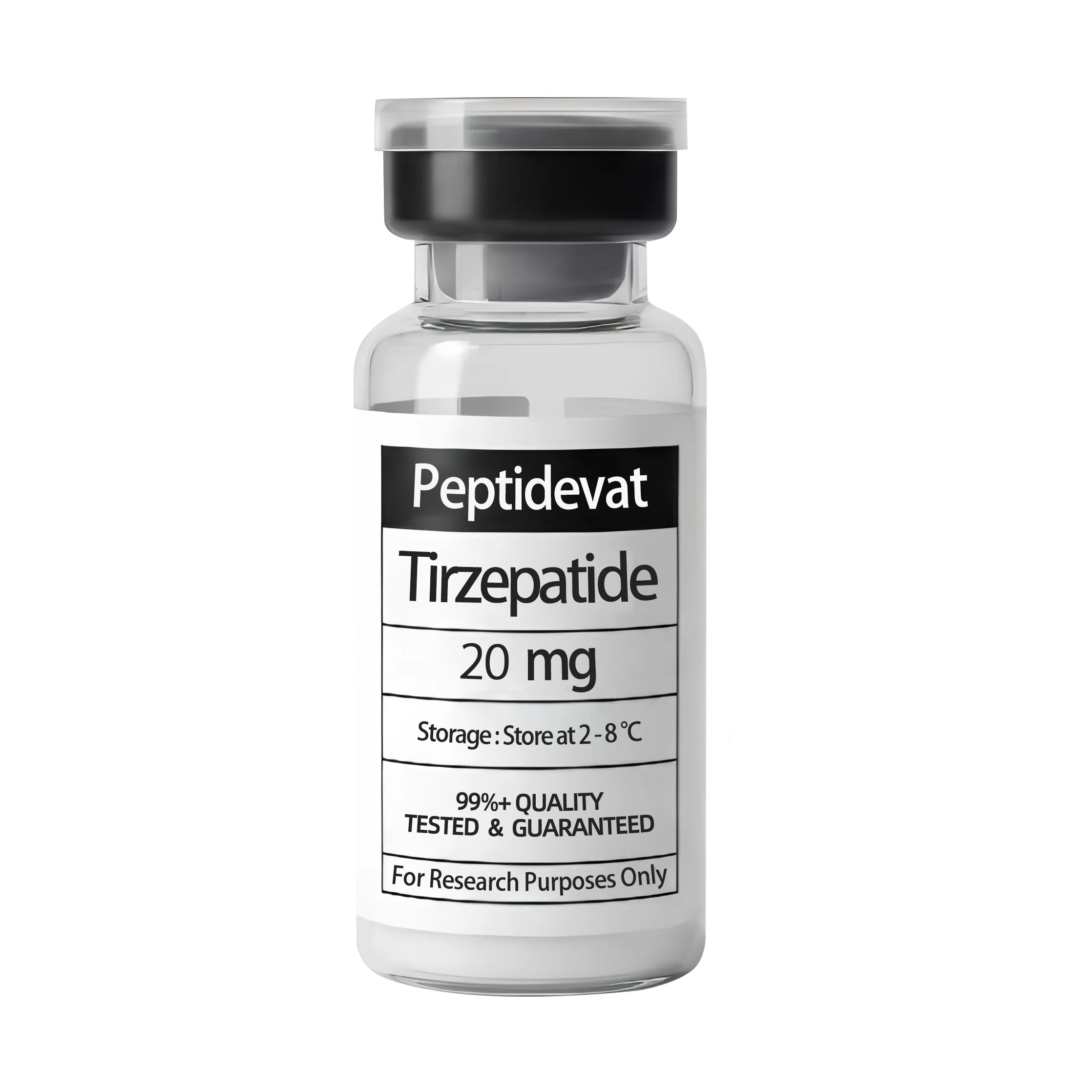
Introduction
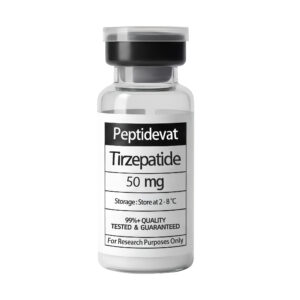
Tirzepatide is known for its ability to reduce blood glucose levels, promote weight loss, and improve insulin sensitivity. It is particularly useful for managing type 2 diabetes and cardiovascular health.
Dosing & Reconstitution Guide
Educational guide for dosing, cycling, cautions, and vial-format options
This section summarizes the dosing & cycling format listed for Tirzepatide in the provided reference. Educational context only (not medical advice).
Dosing & Cycling (As Listed):
The source provides a per-dose range and pairs it with a weekly schedule, rather than a fixed daily plan.
| Protocol Item | Guidance (As Listed) |
|---|---|
| Dose | 1–5 mg per dose Note: “More is not always better.” |
| Frequency | 1× weekly |
| Cycle | 3-month cycles, with a minimum 1 month off |
| Extension | Cycles may be extended depending on response and goal |
Caution & Contraindications (As Listed):
Caution:
• Use caution in individuals with hypoglycemia (low blood sugar), pancreatic conditions, kidney conditions, and/or gastrointestinal conditions
• May cause nausea, diarrhea, and stomach discomfort
Contraindications:
• Individuals with type 1 diabetes and/or severe kidney impairment
• Pregnant individuals
Reconstitution (General Handling):
• Use sterile technique and sanitize the vial stopper before access.
• Add diluent slowly along the vial wall to minimize foaming.
• Gently swirl/roll until fully dissolved (avoid vigorous shaking).
• Store refrigerated at 2–8 °C, protected from light as applicable.
Structure
Sequence:YE-Aib-GTFTSDYSI-Aib-LDKIAQ (C20 fatty acid) AFVQWLIAGGPSSGAPPPS
Molecular Formula: C225H348N48O68
Molecular Weight: 4813.527 g/mol
PubChem CID: 156588324
CAS Number: 2023788-19-2

Research on Tirzepatide
Tirzepatide is a peptide that has shown promise in the treatment of Type 2 diabetes. It works by increasing the release of insulin from the pancreas, leading to improved glucose control. Research has indicated that Tirzepatide can significantly reduce hemoglobin A1c (HbA1c) levels, a marker of long-term blood sugar control, by 2.4% after six months of use in individuals with Type 2 diabetes. Additionally, Tirzepatide has been associated with weight loss, with a dose-dependent relationship, and some individuals experiencing a weight loss of up to 11 kg (25 lbs) over six months. Tirzepatide not only increases insulin levels but also appears to enhance the function of pancreatic beta cells, the cells responsible for producing and releasing insulin. This improvement in beta cell function can reduce stress on these cells and potentially slow the progression of Type 2 diabetes.
Interestingly, Tirzepatide acts in response to increased blood glucose levels. When blood glucose is elevated, Tirzepatide increases insulin levels, but it reduces insulin levels during fasting, thereby improving insulin sensitivity over time. It also decreases fasting levels of glucagon, which can exacerbate hyperglycemia by interfering with liver glucose metabolism. These combined effects contribute to Tirzepatide’s significant impact on glucose control and HbA1c levels.
Tirzepatide is a dual agonist of the gastric inhibitory polypeptide receptor (GIPR) and the glucagon-like peptide-1 receptor (GLP-1R). GIPR and GLP-1R stimulation have synergistic effects that make Tirzepatide more effective than strict GLP-1 agonists in treating Type 2 diabetes. Tirzepatide has a higher affinity for the GIP receptor compared to the GLP-1 receptor. GIPR stimulation primarily leads to insulin release after meals, while GLP-1R stimulation not only promotes insulin synthesis and release but also increases beta cell density in the pancreas, promoting beta cell survival and insulin production.
Tirzepatide also appears to raise adiponectin levels, a peptide hormone associated with fat metabolism. Increased adiponectin levels reduce fat cell differentiation and enhance energy expenditure by making mitochondria less efficient. This can improve insulin sensitivity and help mitigate conditions such as Type 2 diabetes, atherosclerosis, and non-alcoholic fatty liver disease.
In terms of hunger regulation, Tirzepatide initially delays gastric emptying, leading to increased feelings of satiety and reduced hunger and food cravings. However, this effect diminishes over time due to tachyphylaxis. To address this, a low-dose start with a gradual escalation has been shown to prolong the gastric emptying delay, helping to alter eating patterns over time.
Tirzepatide is also associated with substantial weight loss over six months, which is in contrast to some other GLP-1 analogues that may cause weight gain. The GIP agonism of Tirzepatide appears to play a significant role in its long-term effects on weight. GIP activates receptors in fat cells, increasing insulin sensitivity, reducing adipose inflammation, and increasing adiponectin levels. Additionally, GIP signaling in the central nervous system regulates feeding centers in the hypothalamus, leading to decreased food intake and improved glucose handling, ultimately contributing to weight loss.
Overall, Tirzepatide’s multifaceted actions on insulin release, beta cell function, insulin sensitivity, hunger regulation, and weight loss make it a promising candidate for the treatment of Type 2 diabetes.
Tirzepatide, a synthetic derivative of gastric inhibitory polypeptide (GIP) with simultaneous glucagon-like peptide-1 (GLP-1) functionality, offers a range of potential benefits beyond its primary use in the treatment of Type 2 diabetes. These benefits extend to cardiovascular health and weight management:
Heart Health: Tirzepatide can positively impact heart health by altering adiponectin levels. Increased adiponectin levels are associated with a decreased risk of atherosclerosis, obesity, and heart disease. Tirzepatide has been shown to improve lipoprotein biomarkers, reducing triglyceride levels, apoC-III, and other lipoproteins. This translates to a lower risk of heart disease, possibly through decreased adiposity. Higher adiponectin levels are linked to increased HDL (good cholesterol) and decreased triglycerides, both of which are heart-protective. Additionally, increased adiponectin levels can reduce scavenger receptors in macrophages and promote cholesterol efflux, providing further protection against atherosclerosis.
GLP-1 and Cardiovascular Risk Factors: GLP-1, one of the components of Tirzepatide, plays a vital role in regulating cardiovascular risk factors such as hypertension, dyslipidemia, and obesity. It helps lower blood pressure, improve lipid profiles, and contribute to weight loss. The effect on endothelial function is noteworthy, with GLP-1 signaling leading to blood vessel relaxation, reduced blood pressure, and improved end-organ perfusion. GLP-1 signaling can also reduce inflammation, a key factor in atherosclerosis development.
Inflammation Reduction: Inflammation is a significant contributor to atherosclerosis and cardiovascular disease. GLP-1 signaling has been shown to reduce inflammation through various mechanisms, including decreased NF-κB signaling, reduced MMP-9 activity, inhibition of inflammatory cytokine synthesis, and decreased inflammatory macrophage activity. These anti-inflammatory effects can last for several months after a single dose of a GLP-1R agonist like Tirzepatide.
Clinical Trials for Heart Failure: Tirzepatide is currently undergoing clinical trials to further assess its medium-term effects on individuals with heart failure, indicating its potential as a treatment option for heart-related conditions.
In summary, Tirzepatide, initially developed for the treatment of Type 2 diabetes, demonstrates significant cardiovascular benefits by positively influencing risk factors such as adiponectin levels, blood pressure, lipid profiles, and inflammation. These effects can help reduce the risk of heart disease and improve overall cardiovascular health.
Reviews
There are no reviews yet.