
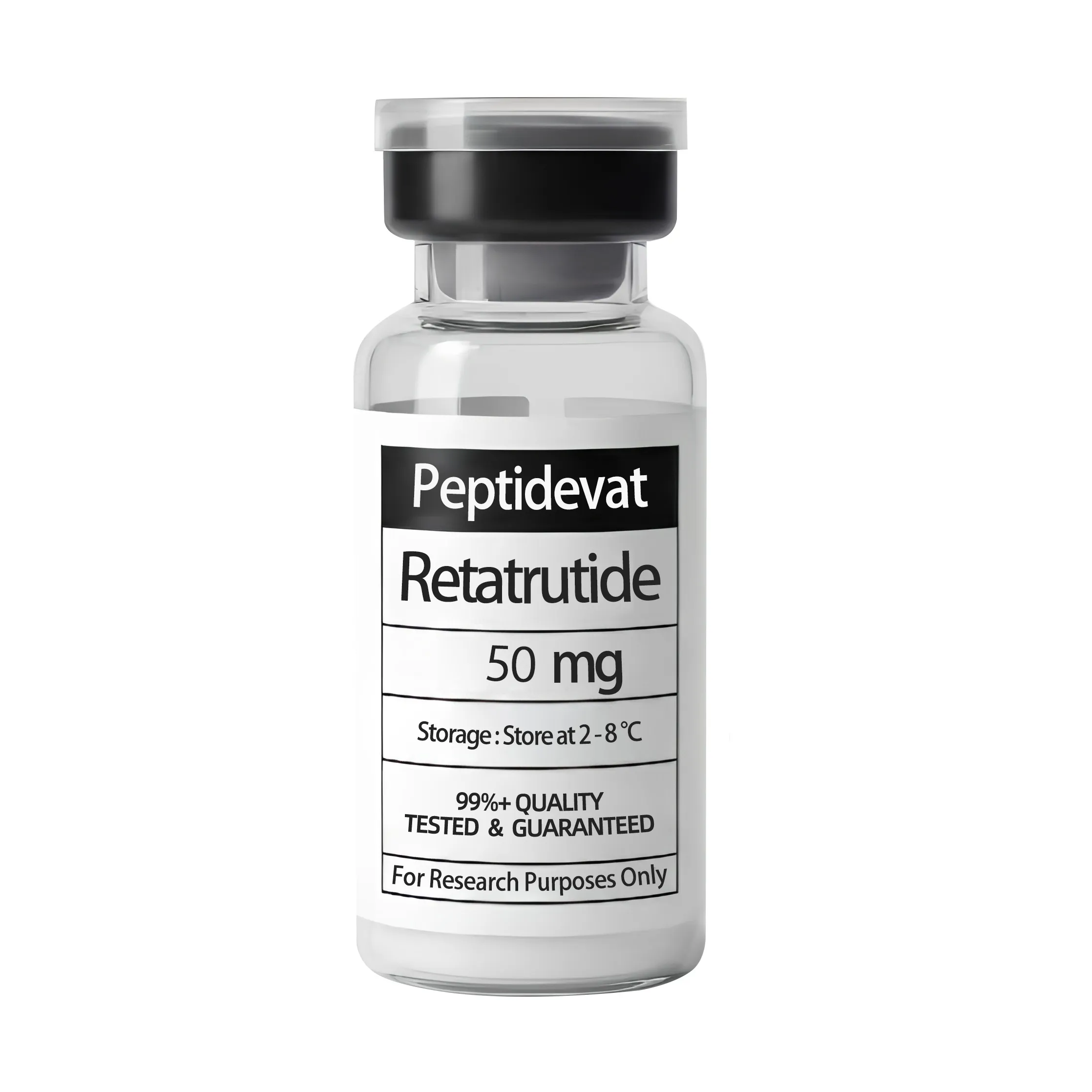

Introduction
Retatrutide is an emerging peptide that has demonstrated significant promise in the treatment of metabolic disorders, particularly obesity and type 2 diabetes. As a part of the expanding field of peptide-based therapeutics, Retatrutide offers a targeted and efficient approach to managing these conditions. Unlike traditional treatments, which often come with a host of side effects, peptide-based therapies like Retatrutide promise higher specificity and greater efficacy with fewer adverse reactions.
Dosing & Reconstitution Guide
Educational guide for dosing, cycling, cautions, and vial-format options
This section summarizes a weekly titration-style approach for Retatrutide, where dose increases are spaced out to assess response. (Educational context only.)
Dosing Schedule (Weekly):
Frequency: 1× weekly
Titration: The source describes increasing the dose by 2 mg every 4 weeks until the goal response is achieved, noting that more is not always better.
Phase Weeks Dose (mg per dose) Frequency
Start Weeks 1–4 2 mg 1× weekly
Titration 1 Weeks 5–8 4 mg 1× weekly
Titration 2 Weeks 9–12 6 mg 1× weekly
Listed dose range: 2–12 mg per dose (continue titration by +2 mg every 4 weeks as needed, up to the listed range).
Cycling (As Listed):
• 3-month cycles (weekly dosing)
• Minimum 1 month off between cycles
• Cycles may be extended depending on response and goal
Caution & Contraindications:
Caution:
• Use caution in individuals with hypoglycemia (low blood sugar), pancreatic conditions, kidney conditions, and/or gastrointestinal conditions
• May cause nausea, diarrhea, and stomach discomfort
Contraindications:
• Individuals with type 1 diabetes and/or severe kidney impairment
• Pregnant individuals
Reconstitution (General Handling):
• Use sterile technique and sanitize the vial stopper before access.
• Add bacteriostatic water slowly along the vial wall to minimize foaming.
• Gently swirl/roll until fully dissolved (avoid vigorous shaking).
• Store according to the product label/spec sheet and protect from light as applicable.
Therapeutic Potential
The therapeutic potential of Retatrutide lies in its unique ability to modulate key metabolic processes. By mimicking the actions of natural hormones, Retatrutide can effectively regulate appetite, reduce food intake, and enhance feelings of satiety. Additionally, it helps to increase energy expenditure and improve glucose metabolism. These combined effects make Retatrutide a powerful tool in the management of metabolic diseases, offering hope for improved health outcomes for patients with obesity and type 2 diabetes.
Structure
Sequence: GLP-1/GIP/glucagon receptor agonist
Molecular Formula: C179H288N50O52
Molecular Weight: 3998.57 g/mol
Synonyms: LY3437943
Research on Retatrutide
Preclinical Studies Preclinical studies on Retatrutide have shown promising results, providing a solid foundation for its therapeutic potential. In animal models, Retatrutide has demonstrated significant reductions in body weight and improvements in metabolic health. These studies have revealed that Retatrutide can effectively regulate appetite, enhance energy expenditure, and improve insulin sensitivity. The data from these preclinical trials have been instrumental in understanding the mechanisms of action and potential benefits of Retatrutide.
Clinical Trials
Retatrutide is currently undergoing clinical trials to evaluate its safety and efficacy in humans. These trials are critical for determining the peptide’s potential as a therapeutic agent for metabolic disorders. Early findings from these trials have been encouraging, with participants experiencing substantial weight loss and improved glycemic control. These results underscore the potential of Retatrutide as a novel treatment option for obesity and type 2 diabetes, offering hope for better management of these conditions.
Future Prospects in Retatrutide
Advancements in Metabolic Health The future of Retatrutide in metabolic health is promising. As research continues to validate its efficacy and safety, Retatrutide is poised to become a cornerstone in the management of obesity and type 2 diabetes. Its ability to target specific metabolic pathways offers a new and effective approach to treating these conditions, potentially leading to improved patient outcomes. The ongoing development and refinement of Retatrutide could revolutionize the treatment landscape for metabolic disorders.
Innovation in Peptide-Based Therapies
Retatrutide’s development marks a significant advancement in the field of peptide-based therapies. Its unique mechanism of action and clinical benefits highlight the vast potential of peptides in treating complex metabolic disorders. Continued research and innovation in this field could lead to the discovery of additional peptides with similar or enhanced properties, broadening the scope of peptide therapeutics. This innovation opens up new avenues for personalized medicine, offering treatments tailored to individual patient needs.
Improving Quality of Life
The ultimate goal of Retatrutide’s development is to improve the quality of life for individuals affected by metabolic disorders. By providing a precise and effective treatment option, Retatrutide has the potential to help patients achieve better health outcomes, reduce the burden of chronic diseases, and enhance overall well-being. The success of Retatrutide could pave the way for new standards in the treatment of obesity and type 2 diabetes, offering hope and improved quality of life for millions of people worldwide.
Conclusion
Retatrutides ability to significantly improve metabolic health and manage weight makes it a critical development in medical research. It offers new approaches to treating obesity and metabolic disorders.
Reviews
There are no reviews yet.